January & February: Southern Tanzania’s Little Dry Season
When most travellers think of African safaris, they picture the long dry season. Yet in Southern Tanzania, January and February offer something quieter, greener, and deeply rewarding. Known locally as the little dry season, these months sit between the short rains of November–December and the long rains that usually arrive in March.
For those in the know, it is one of the most underrated and exceptional times to travel.
Why January & February Are an Excellent Time to Visit
The little dry season brings a rare balance:
- Lush landscapes refreshed by earlier rains
- Clear skies and warm days ideal for game viewing
- Fewer visitors compared to peak dry-season months
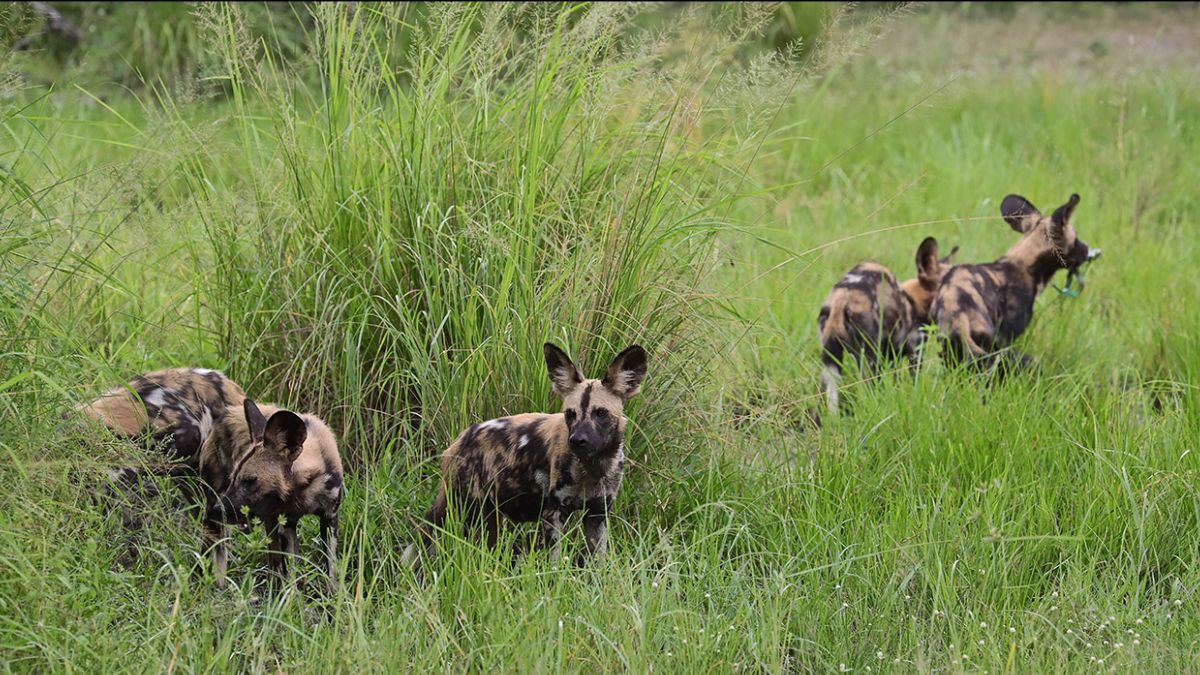
Southern Tanzania’s vast parks—such as Nyerere (Selous) National Park, Ruaha National Park, and surrounding concessions—feel especially wild at this time. Roads are open, rivers still hold water, and wildlife disperses naturally across the landscape rather than clustering tightly around shrinking water sources.
For travelers seeking space, atmosphere, and authenticity, these months deliver in abundance.
Wildlife Behaviour: Abundance and Activity
January and February coincide with a period of plenty in Southern Tanzania.
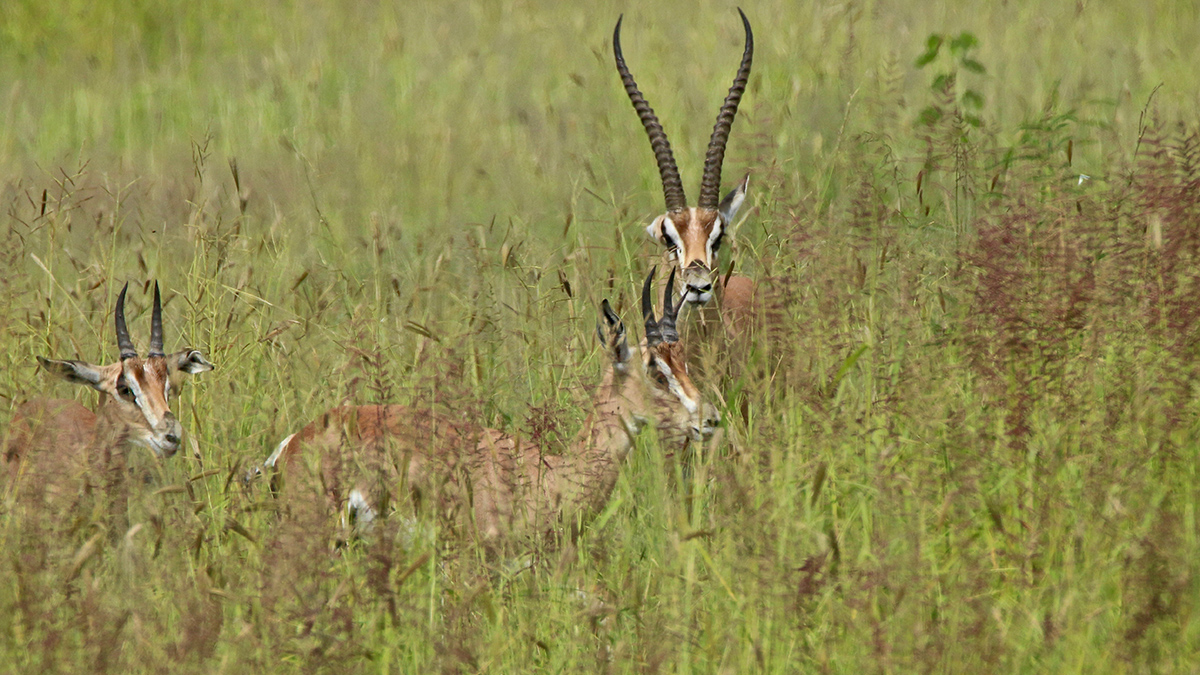
- Herbivores such as impala, buffalo, giraffe, and zebra are in excellent condition, feeding on nutrient-rich grasses.
- This abundance supports active predator behavior—lion prides are strong, leopards are highly visible, and wild dogs often hunt successfully during cooler mornings.
- Calving and birthing take place among several species, which in turn heightens predator-prey interactions.
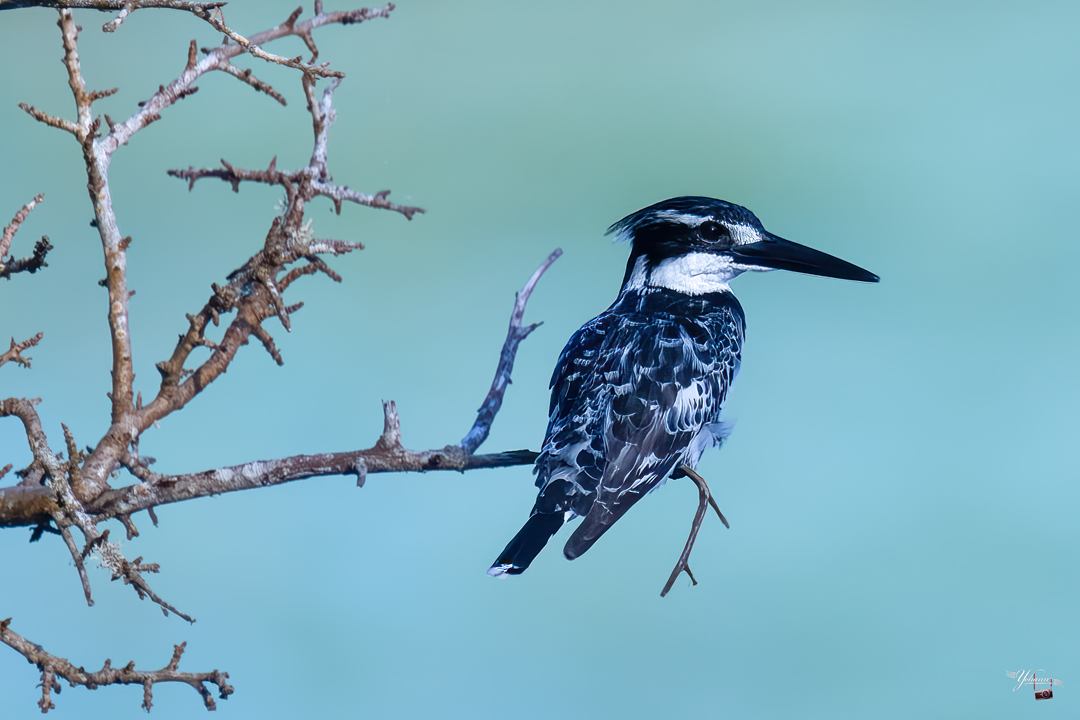
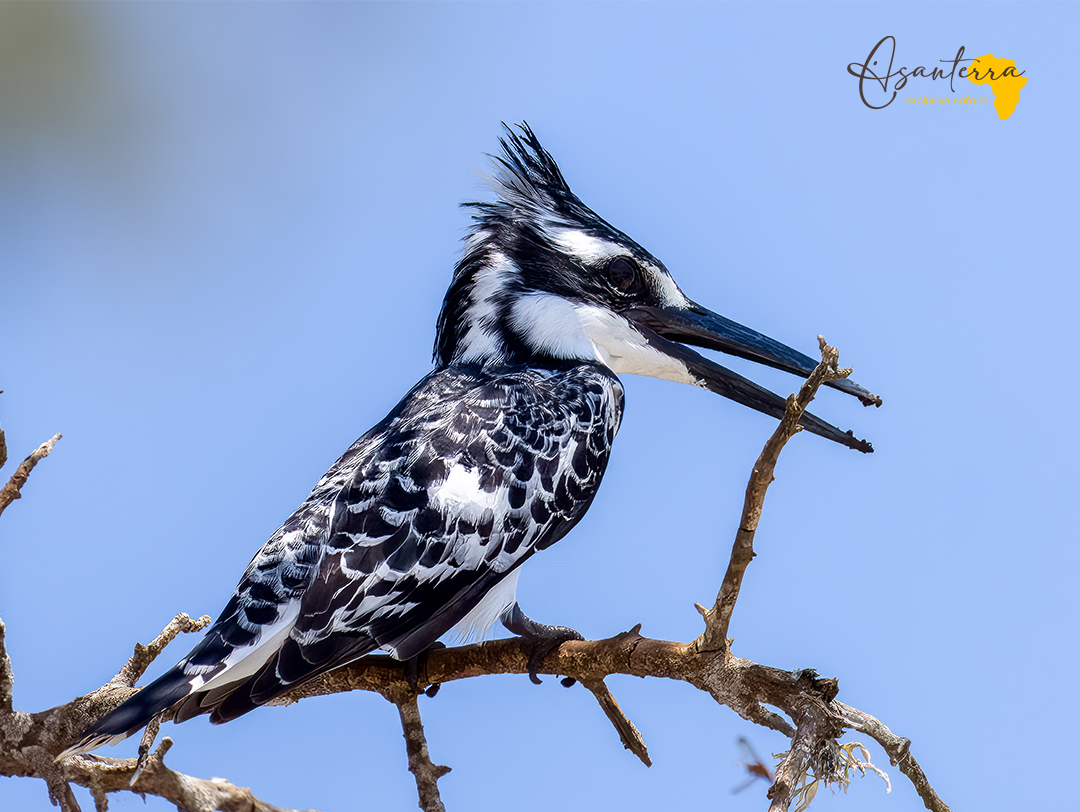
- Birdlife peaks, with migrant species present, vibrant breeding plumage, and frequent raptor activity.
The result is a safari experience full of movement, drama, and diversity, rather than the static waterhole scenes typical of late dry-season safaris.
What Game Drives Typically Look Like
Game drives during the little dry season are defined by variety and exploration.
- Morning drives are particularly rewarding, with soft light, active predators, and cooler temperatures.
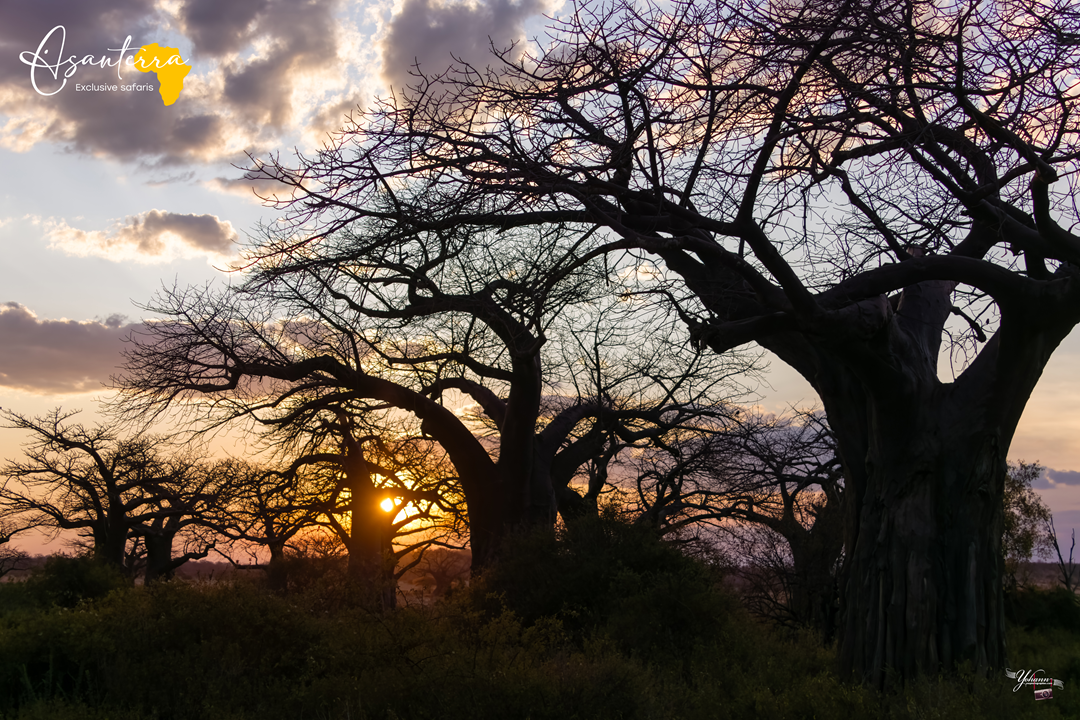
- Afternoon drives benefit from dramatic cloud formations and rich colours across the landscape.
- Sightings are often more dynamic—animals moving, feeding, hunting, and interacting—rather than resting in shade all day.
Because water is still available in multiple areas, guides read the landscape carefully, tracking movement patterns rather than relying on predictable hotspots. This makes drives feel more immersive and guided by true safari craft.
A Photographer’s Dream Season
For photographers, January and February are particularly outstanding months.
Lighting & Landscapes
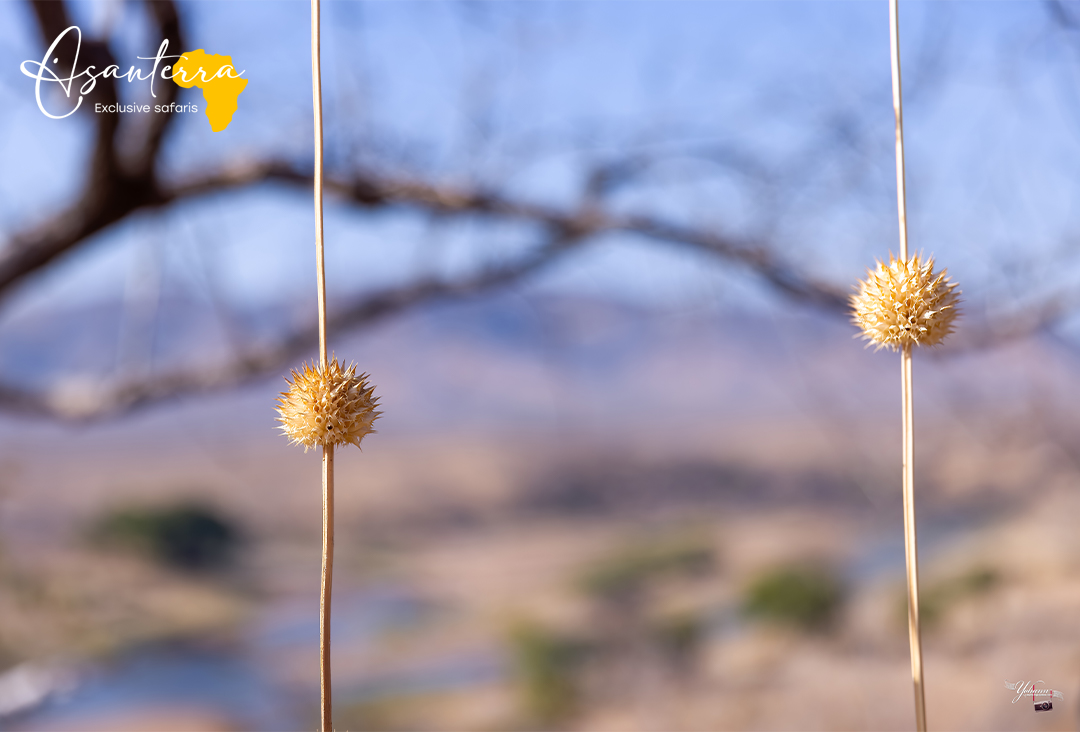
- Green backdrops add depth and contrast to images
- Dust-free air produces cleaner, richer colours
- Occasional clouds soften harsh light and enhance skies
Wildlife Photography
- Animals are in peak physical condition.
- Newborns and juvenile animals add emotional storytelling.
- Birds display breeding colours and behaviours rarely seen later in the year.
This is a season that rewards patience and creativity, producing images that feel alive and cinematic.
The Overall Experience
Travelling to Southern Tanzania in January and February feels intimate and unhurried. Camps are quieter, guides have more flexibility, and guests enjoy a deeper connection with both landscape and wildlife.
It is a time of renewal, where nature is thriving, and safari experiences feel personal rather than programmed.
For those willing to look beyond the traditional safari calendar, the little dry season offers something truly special—a greener, wilder, and more soulful Tanzania.

Related Posts
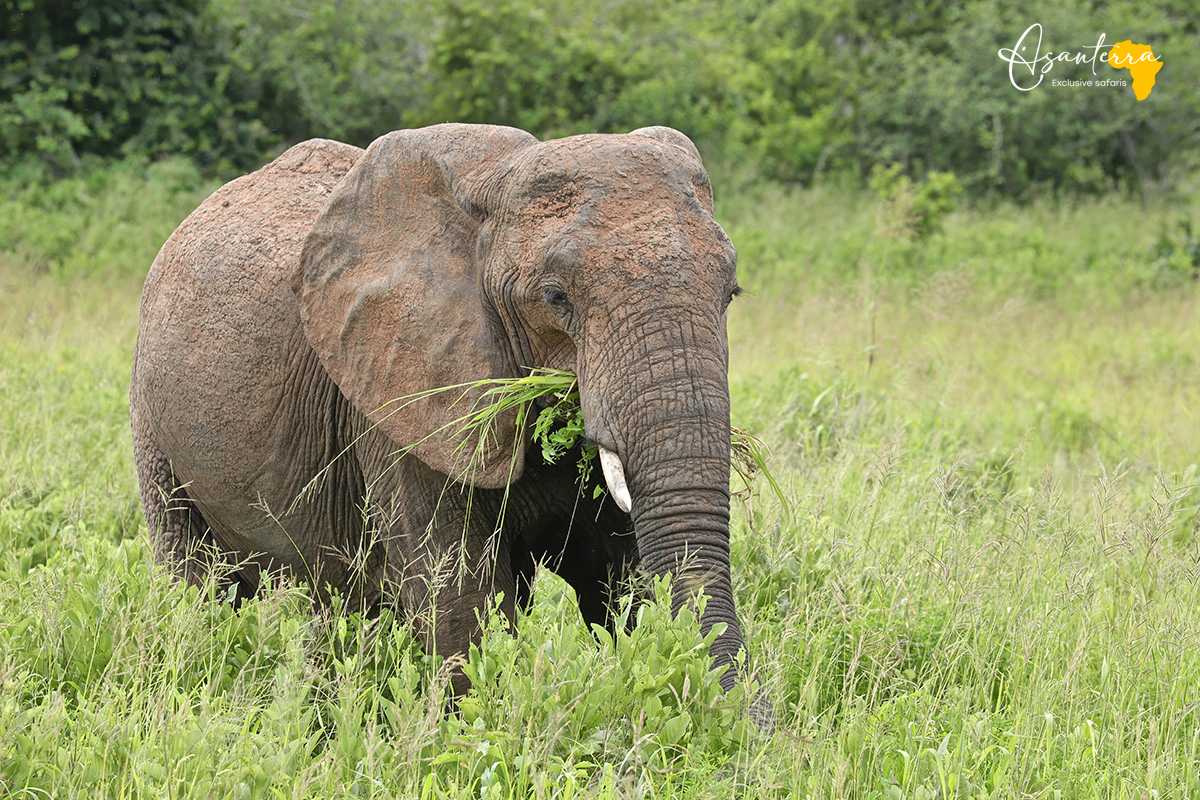
Elephants – Heartbeat of Southern & Western Tanzania
Tanzania is the 3rd largest elephant range country in Africa, after